Guest Column: With conservation goals met, it’s time to balance the scales and support struggling communities
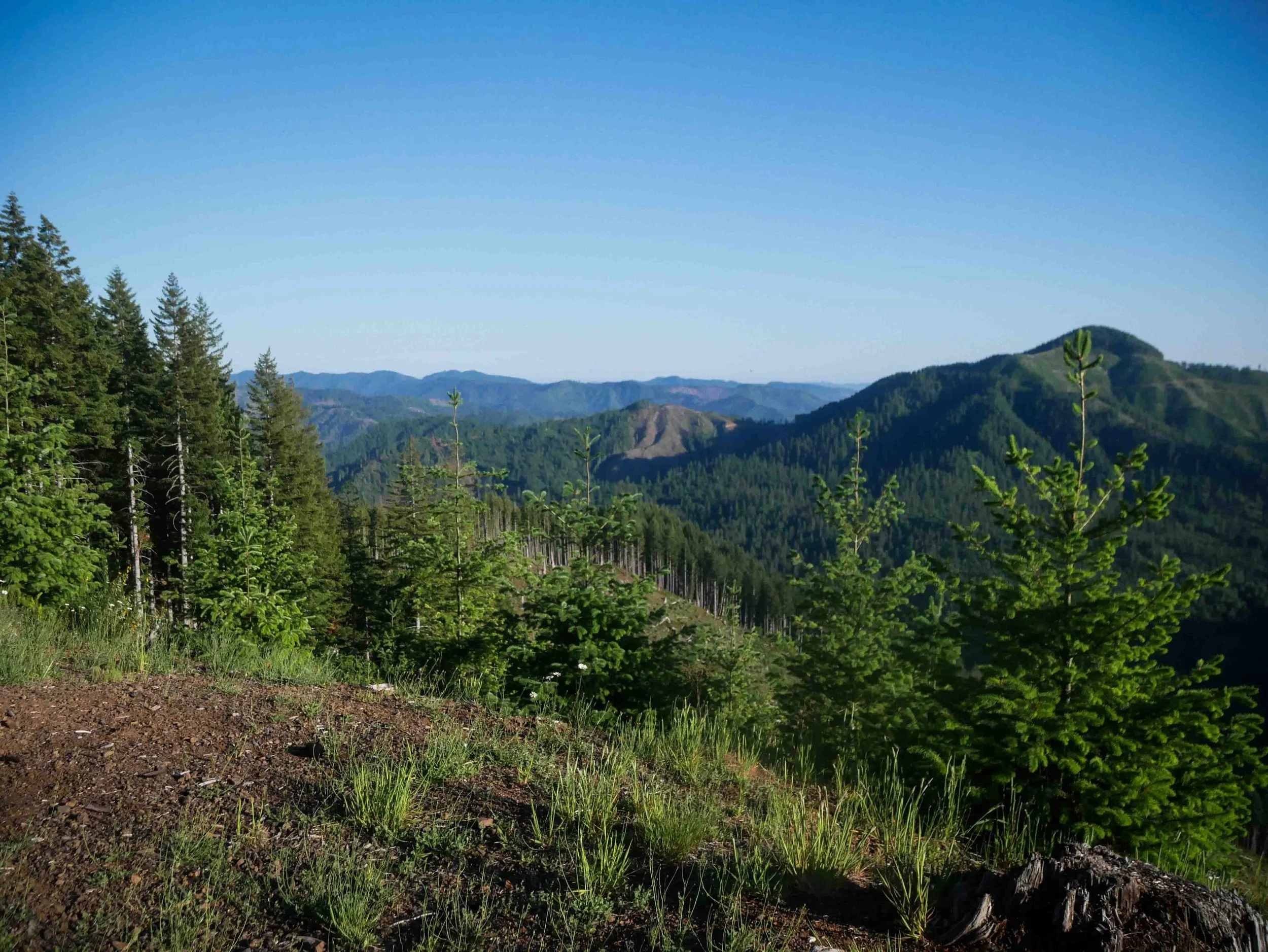
Tillamook State Forest
The Oregon Board of Forestry is working towards another big decision, one I felt they’ve already made, that will affect rural communities and state budgets for years to come. If they walk back their previous commitment, it could mean rural Oregonians get the short end of the stick, again.
State forests are multi-use working forests, managed for timber harvests, revenue for public services, recreation and conservation. The Oregon Department of Forestry (ODF), which manages these lands, is unique among state agencies in that it oversees an asset (state forests) that, if managed responsibly, covers the cost of its operations and all the benefits public forests provide.
Last year, in a highly contentious decision, the Board elected to set aside over half of state forestland for conservation under a Habitat Conservation Plan (HCP). This decision, lauded by the environmental community as a huge win for habitat preservation, cost rural communities dearly in the form of lost jobs and funding for public services that come from timber harvest revenue. When the Board voted to advance the HCP, the Board members stated their desire to inflict no more economic hardships to our rural communities and support ongoing timber harvests on the remaining acres.
Now, with many of the new habitat conservation goals achieved right out of the gate, ODF has come up with a projected range of timber volume that can be harvested sustainably over the next few years from what remains of the forest to provide jobs, revenue and building materials. The options range from very low levels to amounts closer to what we’ve seen historically.
With the ambitious conservation goals and set-asides already in place, local communities like those I represent on the North Coast are advocating that ODF prioritize responsible timber harvests to keep ODF and our counties solvent and our residents employed. That means opting for the highest possible harvest volume allowable under the new and highly restrictive conservation plan.